
Cataract Surgery in Mysore Phaco & IOL Treatment
Is your vision becoming cloudy? Headlights appearing unusually glaring at night? A detailed patient guide by Dr. Roopashree C R on symptoms, timing of surgery, modern phaco procedures, lens options, and recovery in Mysore.
A cataract occurs when the eye’s natural lens becomes cloudy. It is a treatable condition where the cloudy lens is replaced with a clear artificial intraocular lens (IOL). With modern phacoemulsification, surgery is typically a gentle, day-care procedure performed under eye-drop anaesthesia with rapid visual recovery.
Is your vision becoming cloudy? Are headlights appearing unusually bright or surrounded by glare at night? Have you started increasing the brightness on your phone or struggling to read small print even with your latest spectacles?
These changes may seem like an unavoidable part of ageing, but they can often be early signs of cataract.
A cataract develops when the natural lens inside the eye gradually becomes cloudy. As it progresses, vision can become blurry, colours may appear faded, and everyday activities such as reading, driving, or watching television can become increasingly strenuous.
The reassuring news is that cataracts are completely treatable. Modern cataract surgery involves removing the cloudy natural lens and replacing it with an artificial intraocular lens (IOL). For patients seeking cataract surgery in Mysore, understanding symptoms, timing, the phaco technique, IOL choices, and the recovery process makes the treatment journey transparent and reassuring.
What Exactly Is a Cataract?
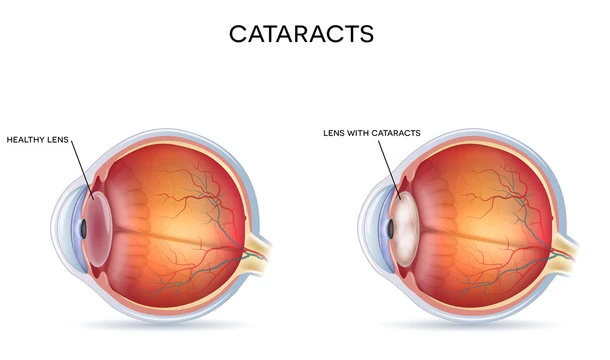
Inside your eye sits a clear, flexible natural lens positioned behind the iris. This lens focuses incoming light rays onto the retina to create sharp images. In a healthy eye, light passes freely through this transparent structure.
With a cataract, proteins within this natural lens begin to clump together, gradually turning the lens hazy or cloudy. Think of it like looking through a clean glass window that slowly develops a stubborn layer of condensation or fog. At first, you may barely notice the shift, but as the density increases, everyday vision becomes progressively obscured.
Common Symptoms of Cataracts
Cataracts usually develop painlessly and gradually over months or years. Watch for these characteristic visual warning signs:
While cataracts are most commonly associated with natural ageing, they can also develop earlier due to factors such as diabetes, eye trauma, previous intraocular surgeries, long-term steroid usage, or genetic predispositions.
Does Everyone Develop Cataracts at the Same Age?
Not necessarily. There is no predetermined single age at which cataracts begin. While age-related cellular oxidation is the most common reason for lens clouding (typically seen in individuals aged 55 and above), cataracts are also frequently diagnosed in younger working adults.
Diabetes mellitus, previous ocular injuries, high myopia, chronic uveitis, and certain systemic medications can accelerate cataract formation. This is why a thorough, dilated eye examination is crucial whenever you notice persistent vision changes, rather than simply assuming blurred vision is a harmless by-product of ageing.
When Should You Consider Cataract Surgery?
One of the most persistent misconceptions patients ask our specialists in Mysore is:
“Should I wait until the cataract becomes completely mature or ripe before undergoing surgery?”
The answer is definitely no. With modern micro-incision surgical techniques, you do not have to wait for a cataract to mature. In fact, delaying surgery until a cataract becomes hyper-mature can increase surgical complexity and recovery time.
Today, the decision to undergo surgery is based primarily on how significantly the cataract interferes with your quality of life and daily tasks. For example, consider evaluation if you:
- Cannot read comfortably or require excessive lighting to decipher text
- Struggle to recognise faces at a distance
- Experience blinding glare from oncoming headlights while driving at night
- Find television screens or road signs hazy
- Notice your work, hobbies, or computer tasks are becoming compromised
- Feel a loss of confidence in your daily independence or balance
*The National Eye Institute (NEI) notes that cataract surgery is indicated when vision loss begins interfering with everyday routines like reading, driving, or watching screens.
Can Cataracts Be Treated Without Surgery?
In the very earliest stages, minor visual compensations—such as updated spectacle prescriptions, brighter reading lamps, magnifying glasses, or anti-reflective lenses—can provide temporary clarity.
There are currently no eye drops, herbal remedies, dietary supplements, or eye exercises proven to dissolve or reverse an established cataract. Once proteins in the lens have denatured, surgery is the only scientifically validated, permanent cure to restore clear vision.
Many patients spend months repeatedly changing glasses every few months without realising that the root cause is cataract progression rather than a simple refractive error change.
What Is Phaco Surgery?
Phacoemulsification, commonly known as phaco surgery, is the gold-standard modern surgical technique for cataract removal.
During phaco surgery, an ultra-small self-sealing incision (usually 2.2 mm or smaller) is made at the edge of the cornea. A microscopic probe emitting high-frequency ultrasonic waves gently fragments and liquefies the cloudy lens. The microscopic fragments are gently aspirated out, leaving the natural lens capsule intact to host a foldable artificial intraocular lens (IOL).
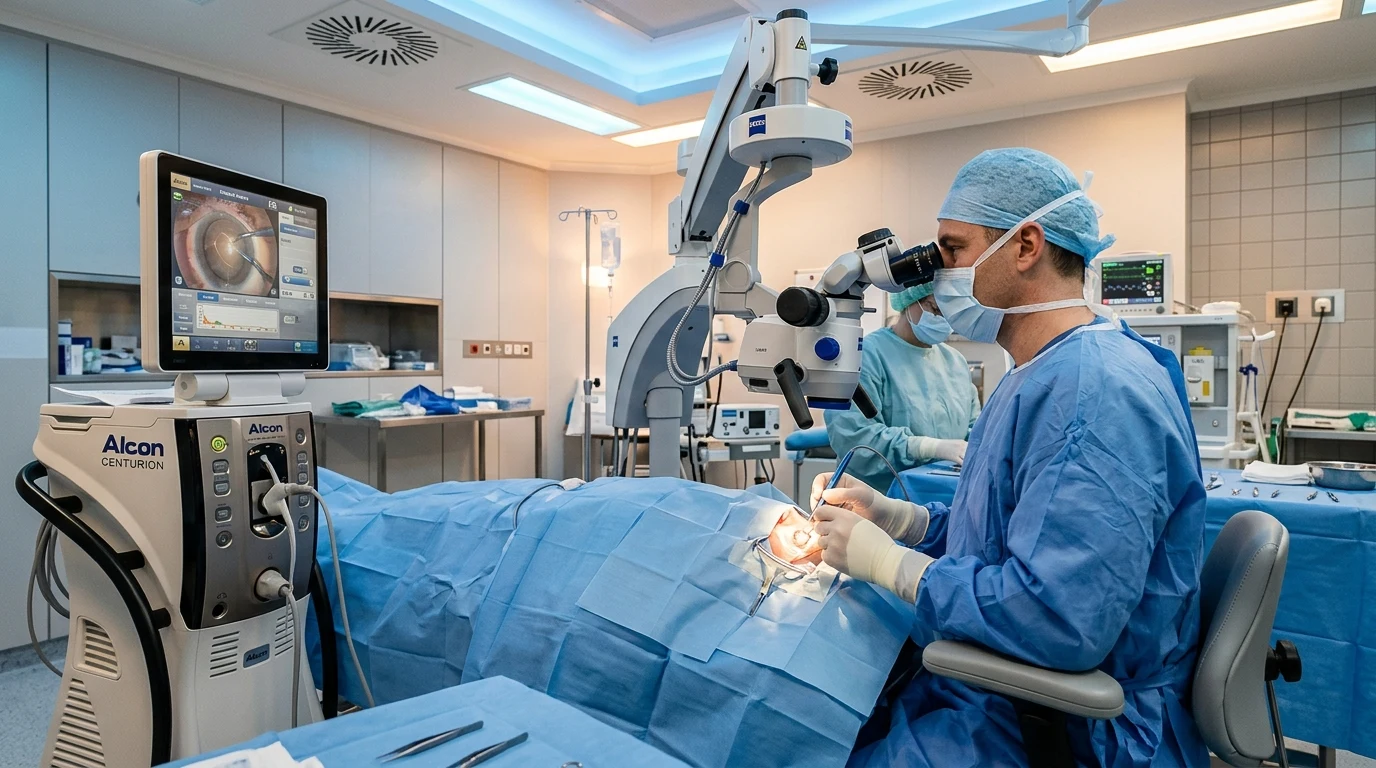
The 5 Steps of Modern Phaco Surgery:
Preparing the Eye & Precision Diagnostics
Before the procedure, detailed optical biometry measurements (such as Zeiss IOLMaster) calculate the exact optical power and curvature required for your replacement IOL.
Topical Anaesthesia (Drops Only)
Cataract surgery is performed comfortably under local anaesthetic eye drops. Most patients feel zero pain, requiring no injections or stitches.
Ultrasonic Lens Removal
Through a sub-2.2mm micro-incision, the ultrasound phaco probe emulsifies and gently vacuums away the cloudy cataract material in minutes.
Implanting the Artificial Intraocular Lens (IOL)
A custom foldable intraocular lens is injected into the natural capsular bag, where it gently unfolds into place for lifelong clarity.
Day-Care Discharge & Recovery
The incision is self-sealing and rarely requires sutures. After a brief monitoring period in our recovery suite, the patient returns home the same day.
Choosing the Right IOL: Is One Lens Suitable for Everyone?
This is where modern cataract surgery becomes truly personalised. The intraocular lens (IOL) replaces your eye’s clouded natural focusing mechanism permanently. The right lens choice depends on your corneal curvature, retinal health, occupation, hobby profile, and visual expectations.
Monofocal IOL
Set for one clear primary focal distance—typically distance vision. Reading glasses are generally needed for near tasks like books or mobile phones.
Premium IOLs (EDOF / Multifocal)
Designed to provide a broader range of vision (distance, intermediate screen, and near), greatly reducing dependence on glasses for suitable candidates.
Toric IOL
Specifically engineered for patients with pre-existing corneal astigmatism, correcting cylindrical power simultaneously with cataract removal.
Will You Need Glasses After Cataract Surgery?
This is one of the most frequent questions patients ask during counselling. The answer depends largely on the specific IOL selected, corneal measurements, and your visual priorities.
Patients receiving standard monofocal IOLs typically enjoy crystal-clear distance vision (driving, walking, watching television) but wear lightweight reading glasses for close-up tasks. Selected candidates receiving advanced EDOF (Extended Depth of Focus) or Trifocal lenses can achieve functional spectacle independence across most daily activities.
It is important to remember that cataract surgery should not be regarded as an absolute guarantee that you will never touch reading glasses again. Transparent preoperative discussion with your surgeon ensures realistic and satisfying visual outcomes.
Can Both Eyes Be Operated on at the Same Time?
Cataract surgery is routinely performed one eye at a time. Even if cataracts are present in both eyes, operating on separate days ensures the first eye’s visual recovery is progressing smoothly before proceeding with the second.
Depending on your healing response, eye health, and the surgeon’s recommendation, the second procedure is usually scheduled within a few days to a couple of weeks after the first.
What Happens Before Cataract Surgery?
Cataract surgery does not begin in the operating room. A comprehensive preoperative diagnostic evaluation is the foundation of surgical success.
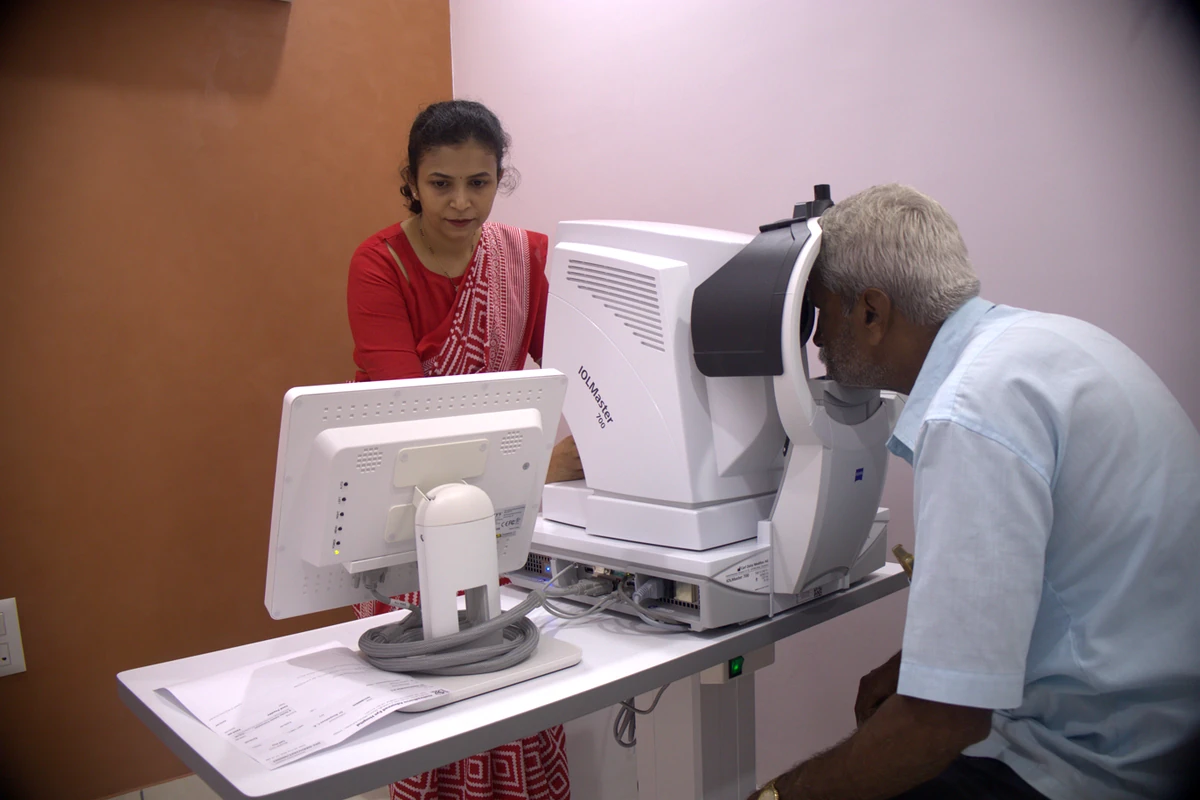
During your pre-operative assessment at Nethradharini, our team evaluates:
- Axial Eye Length & Corneal Curvature: High-precision non-contact laser biometry.
- Corneal Topography & Astigmatism: To evaluate suitability for Toric lenses.
- Retinal & Macular Health: OCT scanning to rule out diabetic macular oedema or macular degeneration.
- Intraocular Pressure: Tonometry to screen for undetected glaucoma.
- Systemic Health Review: Blood sugar (HbA1c), blood pressure, and medication review (especially blood thinners).
What Is Recovery Like After Cataract Surgery?
One of the greatest advantages of modern phaco surgery is how rapid and smooth the recovery journey is. Most patients notice marked improvements in brightness and sharpness within 24 to 48 hours.
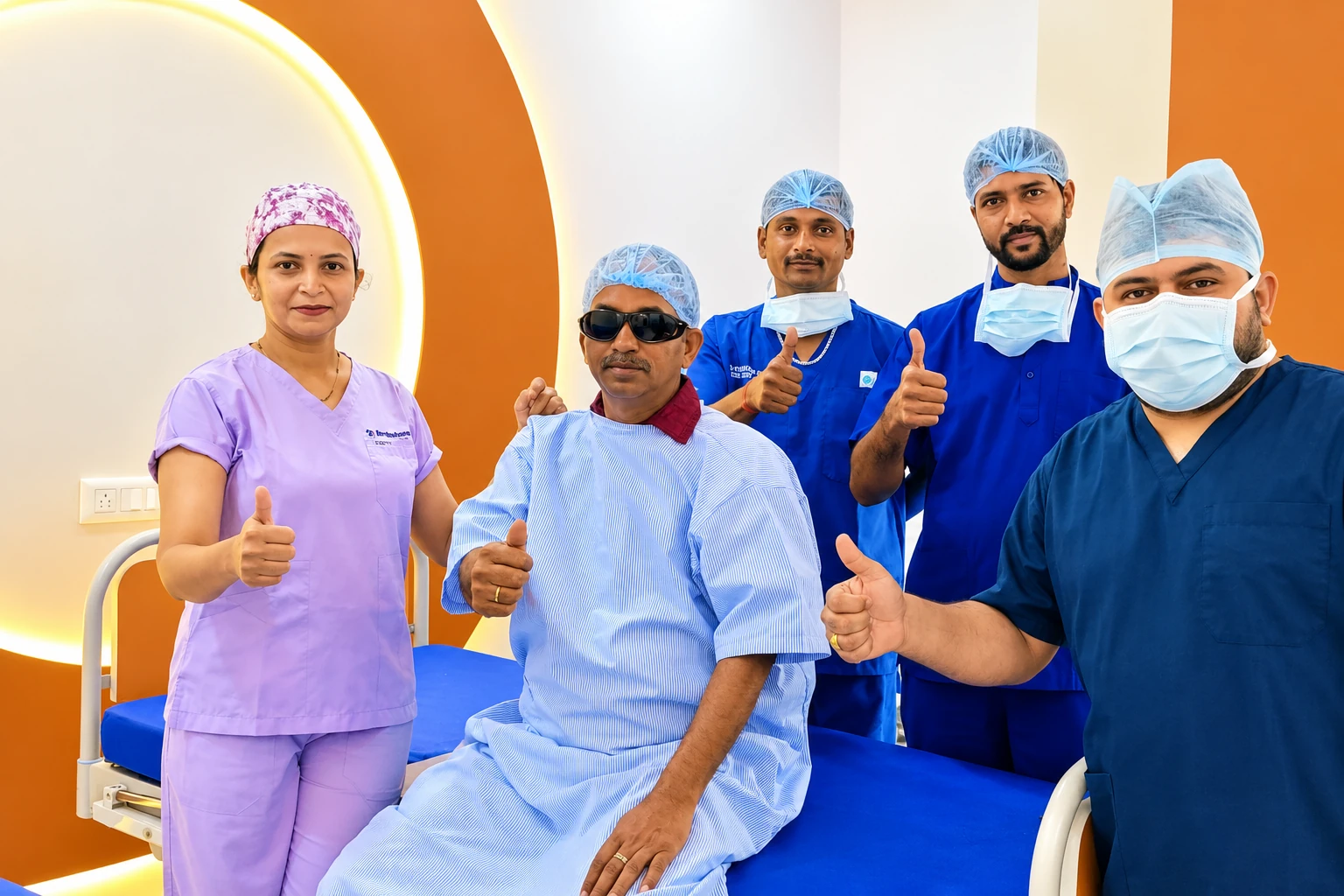
Immediately following surgery, it is normal to experience temporary mild sensations such as:
- Slight blurring as the pupil returns to normal size
- Mild foreign-body sensation or scratchiness
- Increased sensitivity to bright light
- Mild pinkness or redness of the white of the eye
These sensations subside over the initial days as healing progresses. Prescribed antibiotic and anti-inflammatory eye drops protect the eye and speed recovery.
What Should You Avoid After Cataract Surgery?
To safeguard the delicate micro-incision during the critical initial healing window, follow these post-operative precautions:
*Do not stop your eye drops early just because your eye feels comfortable. Tapering drops according to the exact surgical schedule ensures complete deep-tissue resolution.
When Should You Contact Your Eye Doctor After Surgery?
While complications after modern cataract surgery are rare, early recognition of warning signs is critical to protect your sight.
Contact your ophthalmologist or our emergency triage immediately if you experience:
- Sudden, noticeable decrease or blackout of vision
- Severe, throbbing eye pain not relieved by standard medication
- Worsening redness or thick yellowish discharge
- Sudden shower of new dark floaters or persistent flashes of light
- A dark shadow or curtain creeping across any portion of your visual field
Is Cataract Surgery Permanent?
Yes, cataract surgery is permanent. The natural cloudy lens removed during surgery cannot grow back. The artificial intraocular lens (IOL) implanted is made of durable, biocompatible optical materials engineered to last your entire lifetime without degrading.
What is a "Secondary Cataract" (PCO)?
In a small percentage of patients, the microscopic natural membrane (capsule) that holds the new IOL can become hazy months or years later. This is called Posterior Capsule Opacification (PCO), sometimes informally referred to as an "after-cataract".
PCO is not the cataract returning. It is quickly and painlessly cleared in our outpatient clinic in just 2 minutes using an advanced YAG Laser Capsulotomy—restoring full optical sharpness immediately with no incisions or recovery downtime.
Is Cataract Surgery Safe?
Cataract surgery is one of the most frequently performed and thoroughly refined surgical procedures in modern medicine, with success rates exceeding 98%.
As with any intraocular procedure, theoretical risks exist—including infection (endophthalmitis), retinal swelling, or pressure fluctuations. Choosing a highly experienced micro-surgeon, performing precision preoperative scans, operating in a modern sterile laminar-flow theater, and adhering to drop protocols minimize these risks to near zero.
Cataract Surgery in Mysore: Why a Detailed Eye Evaluation Matters
Choosing cataract treatment is not simply about selecting a procedure from a menu. It is about understanding your unique ocular anatomy, your profession, your hobbies, and your personal vision priorities.
An active software engineer or avid reader who spends 8 hours on computers will require a different IOL strategy from someone whose primary passion is highway driving or gardening. A patient with mild astigmatism or early dry eye requires dedicated pre-treatment to ensure crystal-clear visual clarity post-surgery.
At Nethradharini Advanced Eye Hospital in V V Mohalla, Mysuru, every cataract evaluation is planned around the individual patient. Our mission is not merely to remove a clouded lens, but to empower you with complete clarity, honest counselling, and long-lasting visual freedom.
Frequently Asked Questions About Cataract Surgery

Dr. Roopashree C R
MBBS, MS (Ophth), FPRS (Phaco Refractive), DNB, MNAMS
Consultant Ophthalmologist & Cataract Surgeon at Nethradharini Advanced Eye Hospital, Mysuru. Specializing in advanced micro-incision phacoemulsification, toric and multifocal IOL planning, and comprehensive refractive care with over a decade of clinical excellence.
Don't Wait for Your Vision to Become a Daily Struggle
Cataracts develop gradually. You don’t have to adjust to dim lighting or give up driving at night. A detailed evaluation at Nethradharini gives you clear answers and personalized IOL recommendations.
Nethradharini Advanced Eye Hospital · #2629-2, Temple Road, V V Mohalla, Mysuru · Call: +91 63663 97393